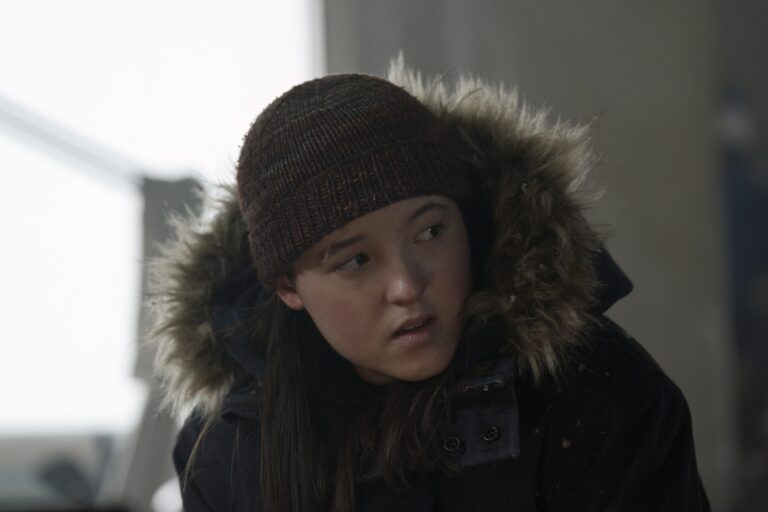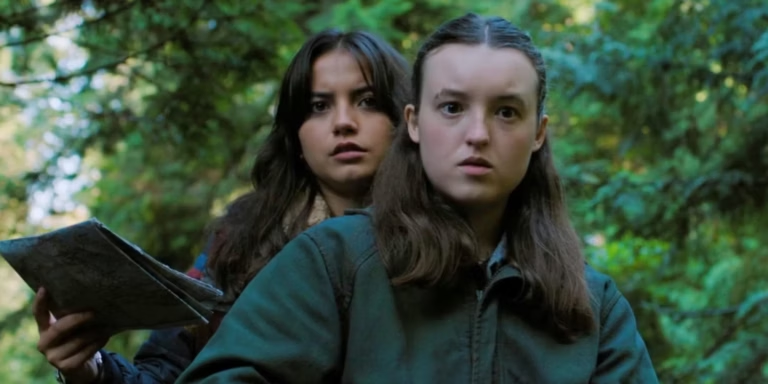
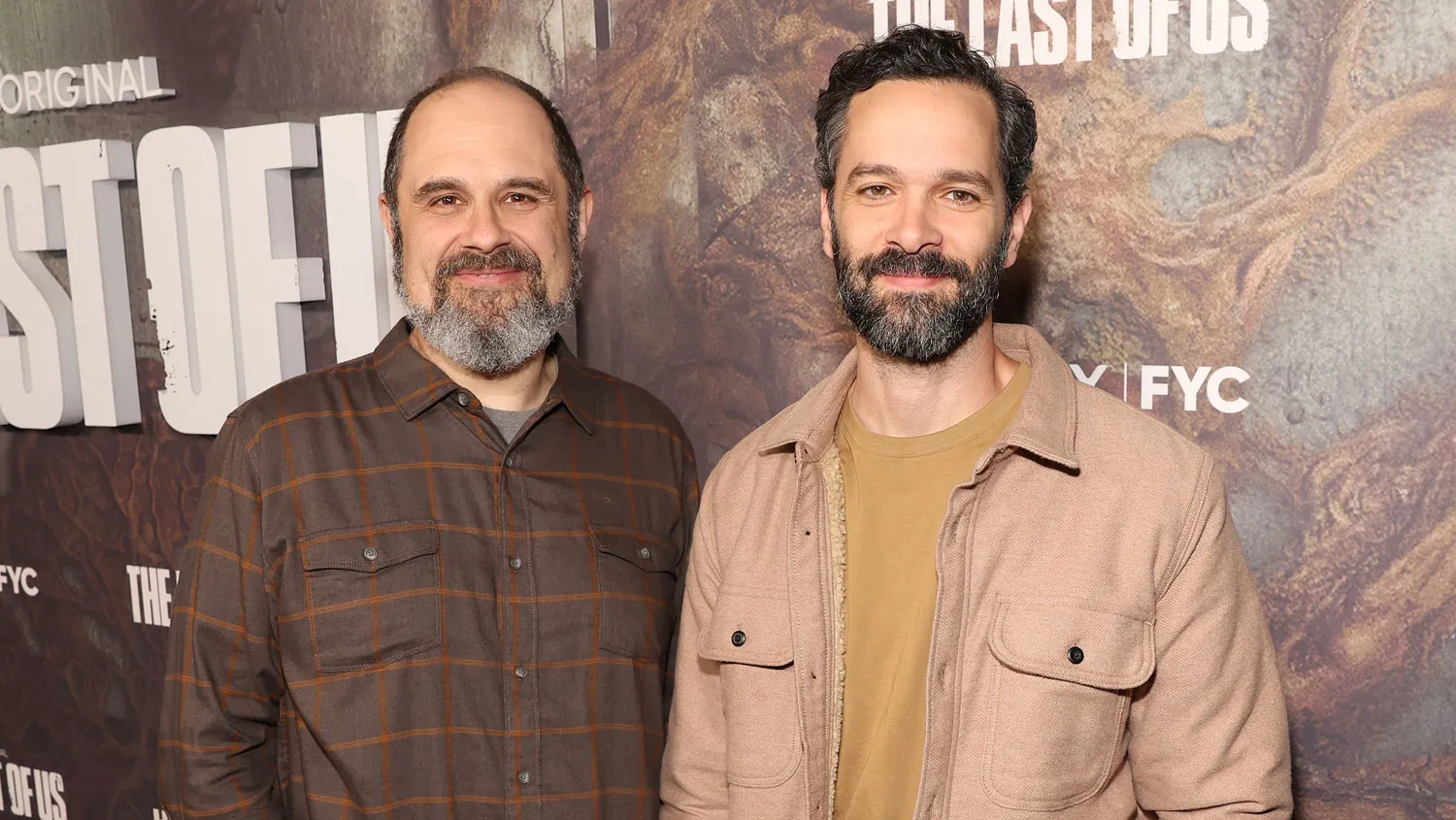

The creative chain of command behind HBO’s The Last of Us is changing in a big way. It is also changing on a very specific timeline. Over the past year, the series has shifted from a dual “game plus TV” brain trust to a structure that leans more heavily on showrunner Craig Mazin.
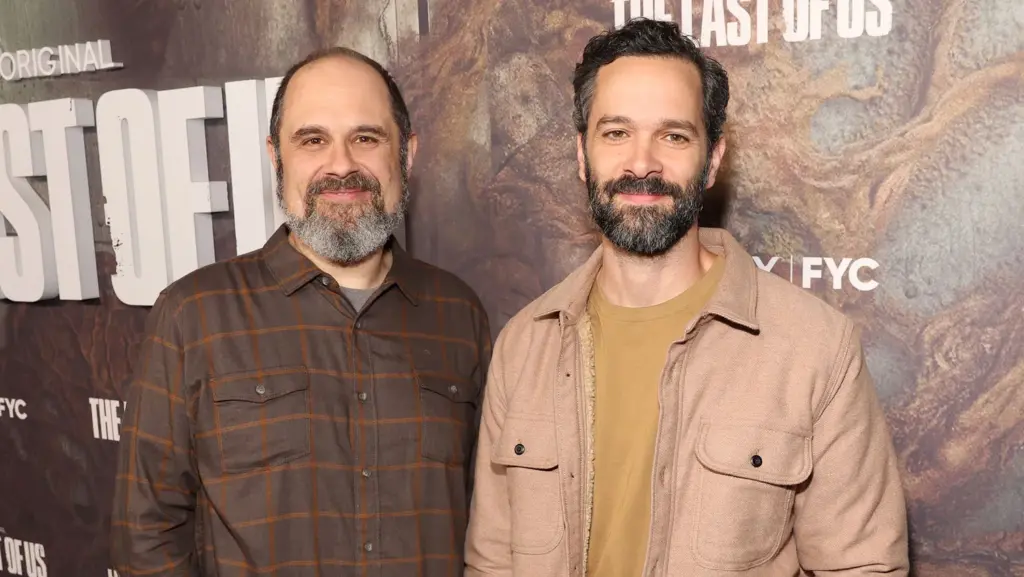
That pivot matters because Season 3 is not a routine follow-up season. It is expected to tackle the Abby side of the story from The Last of Us Part II, which is one of the most debated arcs in modern video game storytelling. With that in mind, who is in the writers’ room, and who is not, becomes more than inside-baseball.
Here is what has been publicly reported about the Season 3 shuffle so far, and what the available sourcing can and cannot support as of January 2026.
The headline change: Neil Druckmann stepped back before Season 3 “meaningful work” began
On July 2, 2025, Neil Druckmann said he was stepping away from “creative involvement” in HBO’s The Last of Us after Season 2 was completed. He also said the timing came before “any meaningful work” began on Season 3. That date, and that phrasing, have become the key framing for the transition. They place his exit between seasons rather than midstream.
Druckmann tied his decision to workload at Naughty Dog. He pointed to his responsibilities as Studio Head and Head of Creative, and he also referenced writing and directing Naughty Dog’s next game, titled “Intergalactic: The Heretic Prophet.” In other words, the public explanation focused on bandwidth, not disagreement.
Entertainment Weekly and other outlets also reported that Druckmann would remain attached as co-creator and executive producer. At the same time, those reports said he would not write or direct Season 3. For fans, that distinction is important. It suggests his name remains on the masthead, while the hands-on story labor shifts elsewhere.
Halley Gross also stepped back, widening the gap between the game and the show
Druckmann was not the only familiar name to move away from daily Season 3 work. Around the same period, Halley Gross also announced she was stepping back from day-to-day involvement with the series. Gross is closely associated with The Last of Us Part II as a co-writer on the game, and she held writing and executive producer roles on the HBO adaptation.
Taken together, those departures change the mix of perspectives guiding the TV version. They also remove two of the most direct bridges to the game’s original storytelling choices. That does not mean the series has no connection to Naughty Dog. It does mean the center of gravity is moving.
What stays constant: Craig Mazin remains the driving force
While key game-era voices stepped back, Craig Mazin’s role appears to have consolidated rather than shrunk. Reports after the July 2025 announcements describe Mazin continuing forward, and in multiple write-ups he is described as the sole showrunner going into Season 3.
That is not a small operational detail. A showrunner sets the tone and handles the hard decisions. When the writers’ room debates structure, character emphasis, or how far to depart from source material, the final call lands at the showrunner’s desk.
Mazin has also discussed how he writes TV at scale. In an interview reported by HELLO! that cited The Hollywood Reporter, he described writing even as prep moves forward. He also described continuing to write while production is underway. In the same discussion of how the show is made, he noted that on prior seasons he finished writing about six weeks before the last episode began shooting.
Those comments help explain why staffing shifts can happen without slowing the machine to a halt. Writing and production can overlap in modern prestige TV. That overlap makes the composition of the room even more consequential, because drafts and revisions do not wait for an ideal calendar.
The reported writers’ room timeline: late February 2025, then a reset by July
Public production summaries report that the Season 3 writers’ room opened in late February 2025. That timing is notable because it suggests Season 3 planning began well before Druckmann’s July 2, 2025 announcement. It also suggests there was a period when the room existed in one form, and then re-formed after the departures.
Those same summaries report that by July 2025, Druckmann, Gross, and Bo Shim stepped away from the room. They then report that Mazin began writing by August and expected writing to take “several months.”
That arc, if accurate, reads like a controlled handoff. The room spins up, key personnel change, and Mazin pushes forward into scripting. Still, it is worth drawing a careful line around sourcing here. The late-February opening and the specific names of additions appear in secondary production summaries rather than in a direct HBO press release in the materials surfaced in this research pass.
So the fact pattern is “reported,” but the safest phrasing stays cautious. It is strong enough to discuss in context. It is not strong enough to present as a definitive “HBO announced” hiring bulletin based only on what was pulled here.
The new names in the mix: Ryan James and Alexandra Cheng, as reported
Even with that sourcing caveat, the reported additions are worth understanding. The same production summaries identify two new Season 3 writers as the room opened in late February 2025:
- Ryan James, described as someone who “worked on the games.”
- Alexandra Cheng, described as Mazin’s Season 2 writing assistant.
If you are mapping influence, those descriptors signal two different kinds of institutional knowledge. Ryan James is framed as bringing game-side familiarity. Cheng is framed as someone trained inside Mazin’s day-to-day process. In a year when the room lost two prominent game-connected writers, that balance may be intentional.
There is also a separate public breadcrumb that supports the idea that “Ryan James” has a real link to The Last of Us game ecosystem. Awards and credit listings tied to The Last of Us Part II narrative recognition include the name Ryan James among credited individuals. That does not conclusively prove he joined the HBO writers’ room, and it does not prove the identity match without a direct trade confirmation. However, it is consistent with the “worked on the games” description found in the production summaries.
Alexandra Cheng’s reported role is more straightforward in this specific dataset. The production summary explicitly describes her as Mazin’s Season 2 writing assistant, then links her to Season 3. That is an interesting kind of promotion in television. Assistants often become staff writers over time, especially when a showrunner trusts them and wants continuity.
Why this shuffle matters: Season 3 is expected to deepen Abby’s story
Season 3 is not arriving in a vacuum. Coverage has repeatedly framed it as leaning into Abby’s perspective, reflecting the structure of The Last of Us Part II. That expectation is one reason the Season 3 writers’ room has been discussed so intensely. Abby’s portion of the story is not just “more plot.” It is a deliberate shift in point of view.
That narrative design places extra pressure on adaptation choices. How quickly does the show reveal motivations. What moments get reordered. Which relationships get expanded, and which remain spare. Those are writers’ room decisions, and they become even more central when the room is in transition.
The series also has a practical pacing question to solve. Season 2 ran seven episodes, and reported updates suggest Season 3 will be longer. Collider, citing Mazin, reported that Season 3 would be “more on par with season one.” Separately, production summaries describe Season 3 as longer and “significantly larger.”
Those notes do not provide an episode count yet, at least not in the sourced material here. They do, however, point toward a broader canvas. A longer season offers more room for character-focused episodes and structural risks. It also increases the amount of script work, which again brings attention back to the staffing changes.
The business context: HBO renewed Season 3 early
Another fact grounding this moment is that HBO renewed The Last of Us for Season 3 early. The Wrap reported that renewal and also noted the Season 2 premiere date and time as April 13, 2025 at 9 p.m. ET/PT. Early renewals do not remove creative challenges, but they do reduce uncertainty inside the writers’ room.
When a show knows it has runway, it can make bigger story commitments. It can also begin the longer lead-time planning that a “significantly larger” season would require. That planning intersects directly with writing. Scripts drive schedules, locations, and the practical size of production.
A transition that appears planned, not panicked
It is tempting to read any high-profile creative exit as a red flag. However, the public details here lean toward a planned transition. Druckmann explicitly placed his step-back after Season 2 completion and before meaningful Season 3 work began. He also tied the move to his responsibilities and a specific upcoming game project.
Likewise, the reported writing timeline suggests the room was already active in early 2025. It then suggests Mazin pushed forward into writing by August after the July changes. If those dates hold, the show did not stop moving. It shifted weight from one set of hands to another.
Still, there is a real creative change embedded in the administrative calm. The show is moving away from day-to-day input from two people who shaped the games most directly. That may not change the destination of the plot. It may change the route taken to get there.
What happens next: what we can say, and what still needs clearer confirmation
As of January 2026, the most solid, directly reported facts in this research set are the July 2, 2025 timing of Druckmann stepping back, his stated reasons tied to Naughty Dog leadership and “Intergalactic: The Heretic Prophet,” and the industry reporting that he would not write or direct Season 3 while remaining an executive producer. Halley Gross stepping back from day-to-day work is also reported in the same window.
The new-writer details, including the late February 2025 writers’ room opening and the names Ryan James and Alexandra Cheng, are reported in secondary production summaries. Those are useful, but they are not the same as a direct HBO announcement in the materials gathered here. For a site like TheLastOfUs.tv, that distinction is worth keeping clear for readers.
What is clear is the direction of travel. Mazin is writing, and Season 3 is described as bigger and longer. It is also expected to lean into Abby’s story. The writers’ room is changing as it tackles that challenge.
The next big piece of confirmation to watch is a primary trade report or HBO statement that explicitly lists Season 3 writers and producing roles. Until then, the most responsible framing is that new voices have been reported to join, while the old guard has publicly confirmed it is stepping back.