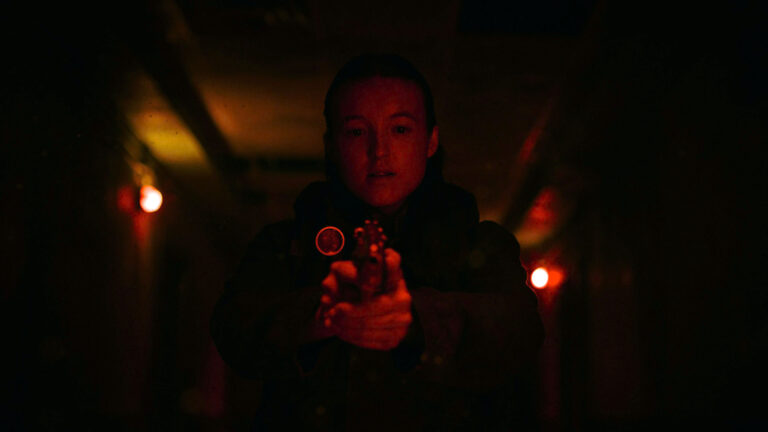
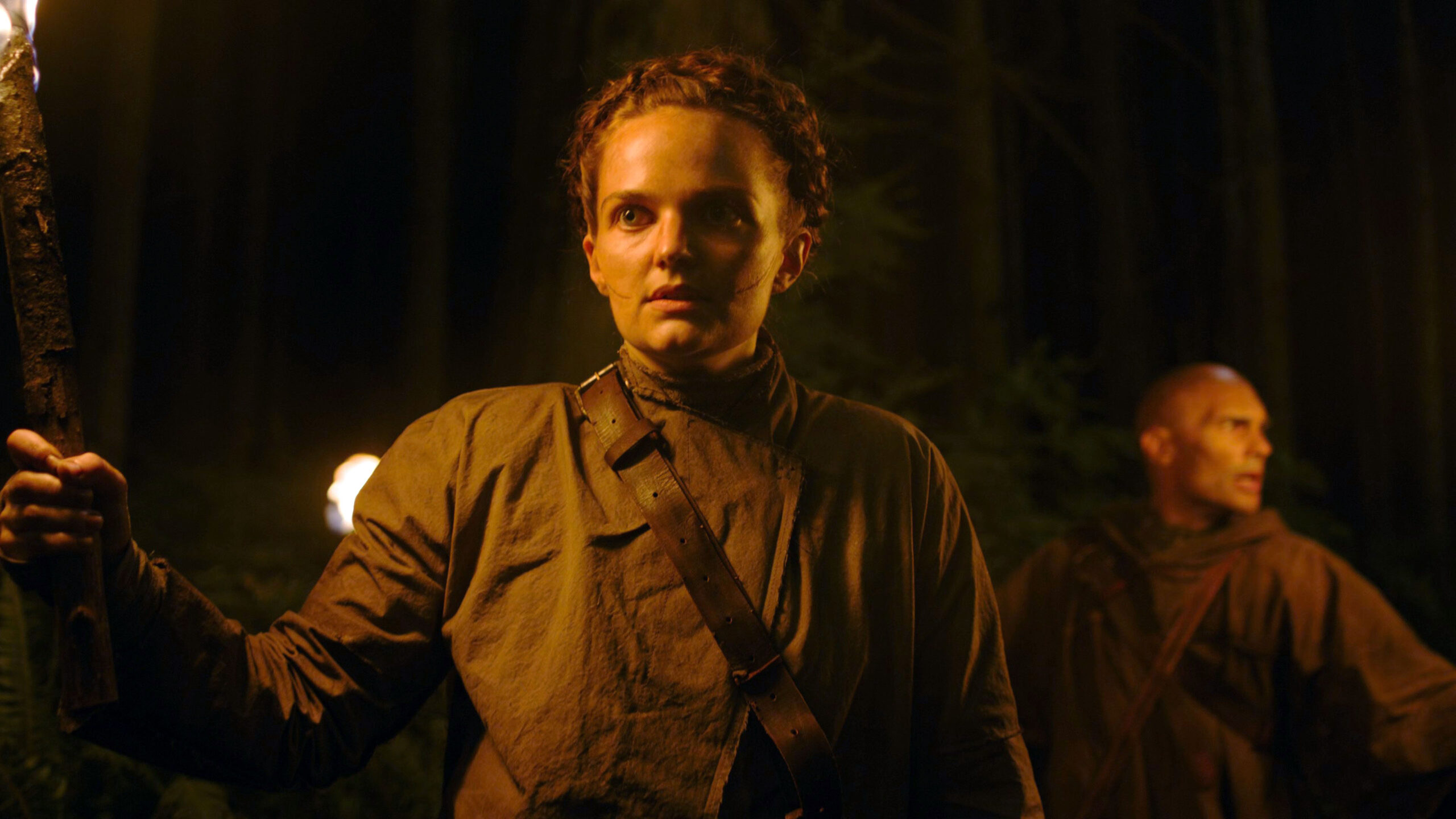

When HBO’s The Last of Us premiered in January 2023, most early chatter focused on the clickers, the emotional gut punches, and the fidelity to the 2013 game. Within a few weeks, another obsession quietly emerged: the clothes.
By the time Season 2 wrapped in May 2025, Joel’s jacket had become a modern menswear staple, Ellie’s jeans and sneakers were dissected on fan forums, and two different costume designers had helped turn post‑pandemic workwear into award‑caliber storytelling.
This is how Cynthia Ann Summers and Ann Foley dressed the apocalypse, one Levi’s hem and thrift‑store parka at a time.
From Emmy Nomination to Hand‑Off: Two Designers, One Ruined World
Season 1 of The Last of Us adapts the first game and its Left Behind DLC, with Cynthia Ann Summers leading costume design. Her work did not just pass quietly through the awards season.
For the 75th Primetime Emmy Awards cycle, Summers earned a nomination for Outstanding Contemporary Costumes for a Series for the Season 1 episode “Endure and Survive.” The Television Academy’s entry credits her as costume designer alongside assistant designers Kelsey Chobotar and Rebecca Toon, and costume supervisor Michelle Carr. That put The Last of Us in the same 2023 costume race as Wednesday, which ultimately won the category.
By the time Ann Foley stepped in as costume designer for Season 2, the series was no longer an underdog. Across its first two seasons, The Last of Us had accumulated dozens of Emmy nominations, including 17 Primetime nods for Season 2 alone. Season 2 also drew an average of almost 37 million global viewers per episode, with its April 13, 2025 premiere pulling 5.3 million same‑day viewers across HBO and Max, a 13 percent increase over the Season 1 debut.
Foley inherited a show that was already a prestige juggernaut, with Summers’ grounded visual language in place and a global audience watching for every change.
Cynthia Ann Summers: Making the End of the World Look Plausible
Summers approached Season 1 with one clear mandate from showrunner Craig Mazin: this apocalypse had to feel real, not stylized.
In interviews, she has described contemporary costuming as harder than fantasy or period work. The clothing needed to be “integral to the story” without ever looking like “costumes.” Mazin specifically told her he did not want a Mad Max look. Instead, he wanted clothes that viewers might genuinely own, simply pushed through twenty years of scarcity and weather.
There was also a precise internal rule. In the world of The Last of Us, production effectively stops in 2003, the year the outbreak hits. That meant anything that appeared “new” on screen still needed to be a leftover or scavenged item from before that date. Summers and her team bought contemporary garments, then aggressively aged and altered them so nothing looked fresh off a rack.
To pull this off at scale, she relied on a substantial breakdown department headed by Sage Lovett. Summers has said she often needed around 30 duplicates for each key outfit, especially for characters like Joel and Ellie. Every stage of dirt, blood, water damage, stunt work, and reshoot needed its own version.
On big sequences, such as the Kansas City battle in Episode 5, she had up to 30 breakdown artists working in a warehouse. They aged everything from Bill and Frank’s flannels to FEDRA uniforms. Techniques included overdyeing, boiling, sanding, tearing, and hand‑painting. She has even described boiling some oil‑finished jackets to strip the factory coating before starting the distressing process, because the original finish resisted convincing wear.
Summers also organized the show into what she called “bubbles” of color and tone. Each location, like the Boston QZ, Bill and Frank’s town, or Jackson, received its own palette through overdye baths and fabric choices. That way, viewers could feel a subtle shift in environment even when the clothing remained simple.
The result looked almost invisible to casual viewers. To costume designers and cosplayers, it was anything but.
Building Joel Miller: Exact Brands Behind an Unfussy Guy
Pedro Pascal’s Joel insists he is not a man who thinks much about clothes. Cynthia Ann Summers did enough thinking for him.
2003 Joel: Before the Fall
In the Austin prologue, Joel’s look is straightforward and specific:
- T‑shirt: a blue Crossley tee, chosen for its worn feel. Summers has said they needed about 30 copies to cover blood, dirt, and continuity across the chaotic night.
- Jeans: Levi’s 505 jeans, overdyed and aged but still rooted in a classic, straight‑leg work fit.
- Boots: Irish Setter work boots, which Summers confirms are the same model Joel wears twenty years later, visually aged to show the passage of time.
Style sites like Gear Patrol and BAMF Style identify the boots as the Irish Setter Elk Tracker 10″ hunting boot, citing the heel lip, circular logo, and lug pattern. Cosplayers have followed those breadcrumbs closely.
2023 Joel: The Jacket That Took Over the Internet
By the time we meet Joel in the Boston QZ in 2023, his clothes settle into a silhouette that will define him across two seasons.
The most famous piece is the jacket. Summers initially tried to build a custom Carhartt‑style oiled coat. Fit and breakdown problems forced a last‑minute pivot. Her team brought in dozens of waxed jackets, tested them for fit on Pascal and for how they aged in water and sun, then landed on one off‑the‑rack piece:
- Flint and Tinder Flannel‑Lined Waxed Trucker Jacket, a Huckberry house brand, originally in Field Tan.
Summers has described literally boiling the jackets in large cauldrons to remove the factory wax, then re‑waxing and distressing them to achieve a sun‑beaten, rain‑stained look. For continuity, she again needed dozens of duplicates at different stages of wear.
The rest of the 2023 Joel kit is just as precise:
- Green plaid flannel: originally a Fjällräven shirt, heavily modified. The real garment lacked chest pockets, so her team rebuilt the fronts with two pockets to better echo the game design. They then produced around thirty copies at different dye and damage stages.
- Denim work shirt: a Wrangler shirt manufactured as a Walmart exclusive. Once the team identified it, they bought out remaining stock and altered the shirts for fit and tone.
- Jeans: Joel stays in Levi’s 505s, dyed and broken down, reinforcing his blue‑collar practicality.
- Boots: the same Irish Setter Elk Tracker model, aged and partially de‑branded on screen.
Then there is the watch.
The Watch: A Custom Prop Fans Cannot Buy
Fans quickly tried to identify Joel’s battered field watch, with early guesses pointing to models like the Lüm‑Tec Super Combat B2. Prop and costume interviews later confirmed that the on‑screen watch is a custom build, not a commercial model.
British GQ reports that the prop team 3D‑modeled the watch using Naughty Dog’s in‑game asset, matching even the cracks on the dial. Gear Patrol notes that Summers confirmed it was made specifically for the show, based on a simple Timex‑style field design.
That decision has had a curious side effect. Because the watch is not sold anywhere, it has spawned replica efforts on Etsy and in limited licensed runs, including collaborations like MSTR x PlayStation. For once, even dedicated cosplay shoppers cannot simply click “add to cart.”
When a Work Jacket Becomes a Star
If Summers’ approach was meant to disappear into the world, the audience did not entirely cooperate. Joel’s jacket, in particular, refused to stay anonymous.
During Season 1’s 2023 run, outlets like Esquire and Gear Patrol highlighted the Flint and Tinder waxed trucker as the exact piece Pascal wears. Huckberry, which sells the jacket, reportedly struggled to keep it in stock. A Decider shopping piece later reported that sales jumped by around 170 percent after the show premiered. By April 2025, the jacket had amassed over 3,000 five‑star reviews on Huckberry’s site.
Retailers and gear writers soon took to calling it simply “the Last of Us jacket.” Popular Mechanics used that phrase when flagging a rare discount during Huckberry’s 2025 sale.
Ben O’Meara, Huckberry’s chief brand officer, has said the show’s costume department originally purchased 50 to 100 different waxed jackets from various brands. Summers’ team then put them through “extensive wear‑testing” before settling on Flint and Tinder’s trucker for its patina, construction, and fit.
By Season 2, the same Field Tan jacket had naturally darkened into a richer brown from real‑world use on set. Gear Patrol called it a “modern menswear icon,” noting how the authentic aging paralleled Joel’s own journey.
Cosplay guides now list full Joel breakdowns:
- Flint and Tinder waxed trucker
- Irish Setter Elk Tracker boots
- Levi’s 505 jeans
- Game‑accurate flannel approximations
- A field watch “in the style of” the custom prop
Sites like BAMF Style and ShopYourTV log each appearance down to approximate alternatives. One supposed non‑fashion guy now drives entire shopping lists.
Ann Foley’s Season 2: Evolving a Template, Aging a Cast
When Ann Foley took over for Season 2, which aired from April 13 to May 25, 2025, she inherited Summers’ established language but not her exact task. The second game and the second season jump forward several years, expand the cast, and introduce new factions with strong visual identities.
Foley started by immersing herself in the source material. She watched a full playthrough of The Last of Us Part II and built episode‑specific mood boards from screenshots. She has said that she viewed the season as a five‑year arc, particularly for Ellie, whose clothes needed to track growth from 14 to 19.
The logistics scaled up quickly. Foley describes about 600 fittings just for Episode 2, covering Jackson townsfolk, WLF soldiers, and infected performers. Production worked across multiple units in Alberta and other locations, so costume continuity and duplication were again critical.
Joel Under Foley: Same Man, Slightly Softer Edges
Foley did not want to reinvent Joel. In interviews, she has said that she and Pedro Pascal agreed “Joel is Joel,” so changes should be subtle.
The core silhouette remains:
- The same Flint and Tinder waxed trucker
- Work shirts and flannels in earth tones
- Straight‑leg jeans and sturdy boots
Foley nudged things in smaller ways. Joel’s tones darken a bit. He tucks in his shirts more often, leaning into an older, more openly paternal look. For winter episodes shot in real Alberta snow, she introduced a new parka built from a 1990s‑style cotton canvas shell that was then waterproofed. Game‑accurate lighter jackets could not keep Pascal warm enough on location.
These are not loud changes, but they let viewers feel Joel carry a few more years and responsibilities on his shoulders.
Ellie’s Journey in Denim and Ink
Ellie’s Season 2 evolution is more dramatic. Foley has said she used silhouette, color, and detail to chart Ellie’s passage from wide‑eyed teenager to hardened nineteen‑year‑old.
In one key moment, Episode 6 shows Ellie waking up on her fifteenth birthday in a baggy striped ringer T‑shirt. Foley based this directly on the museum birthday flashback outfit from Part II, although she changed the original tank top to a T‑shirt. The goal was to keep Ellie reading as more childlike, even as the story’s stakes rise.
Underneath the surface, the garments are surprisingly engineered. Foley worked with Levi’s, which manufactured roughly 50 pairs of a specific jean cut for Ellie at custom lengths. That gave the costume department enough duplicates to track six or seven stages of aging, ripping, and blood.
Her sneakers carried quieter storytelling. Foley asked actor Bella Ramsey to doodle on Ellie’s Converse in character, echoing Ellie’s journals and drawings from the games. Multiple pairs were produced with similar scrawls. The camera never really lingers on them, but Foley shared the details on social media, rewarding fans who dig for process.
She also coordinated closely with makeup so that Ellie’s moth tattoo remained visible whenever the script and weather allowed, treating it as a key marker of age and trauma.
Dina, WLF, and the Seraphites: Factions in Fabric
Foley’s job extended well beyond the central duo. Season 2 introduces Dina, the Washington Liberation Front (WLF), and the Seraphites, each with distinct philosophies that needed visual expression.
For Dina, Foley chose a colorful Aviator Nation rainbow‑stripe jacket. The brand did not exist in 2003, which technically breaks the show’s “no post‑outbreak production” rule. After conversations with co‑creator Neil Druckmann and Craig Mazin, they decided to keep it anyway. Foley argued that the jacket captured Dina’s warmth and optimism too perfectly to lose.
The WLF wardrobe has its own logic. Many of their uniforms are repurposed FEDRA gear, stripped of patches and dyed into a muted palette of browns, grays, and navy. Foley even puts Abby in those same tones before viewers learn her allegiance, using color as a kind of foreshadowing.
For the Seraphites, Foley collaborated with concept artist Imogene Chayes and Naughty Dog’s character art director Ashley Swidowski. Rather than dressing this Luddite, isolationist sect in intact raincoats, Foley asked what they would realistically make. The answer was hand‑sewn canvas ponchos, imagined as garments produced from salvaged boat canvas and other heavy fabrics.
Across all these groups, Foley leaned hard into the show’s 2003 outbreak date. Infected and survivors wear a sea of Y2K low‑rise jeans and vintage brands like Gap, Chip & Pepper, and Paper Denim & Cloth. An InStyle feature notes that she sourced nearly 100 pairs of vintage or replica Y2K jeans, then caked them in grime and blood. The styling both grounds the timeline and quietly comments on early‑2000s body ideals.
Dressing the Infected: Costumes, Fungus, and 10‑Day Builds
Both Summers and Foley treated the infected as collaborations with prosthetics designer Barrie Gower rather than separate departments.
Summers’ team began by mapping Cordyceps growth patterns on compression garments. They pulled mushroom forms through fabric, so spores seemed to burst through shirts and jackets rather than sit on top of them. Costumes then went back to the breakdown studio for hand‑painting, so colors and textures matched Gower’s prosthetics.
Foley continued and expanded this process in Season 2. She has said that some clicker builds took up to 10 days of back‑and‑forth between costume breakdown and the effects shop. Cordyceps growths were literally woven into sleeves and collars, then painted and textured so the line between fabric and fungus almost disappeared.
It is a level of work most viewers never consciously register. Cosplayers and makeup artists, however, have pored over it frame by frame.
Fans, Featurettes, and a Growing Behind‑the‑Scenes Appetite
As the show’s audience grew, so did interest in how it was made. HBO leaned into that curiosity for Season 2.
Each new episode on Max came paired with a short “Making of The Last of Us” featurette. These covered everything from set construction to costumes and infected makeup. For the home release, which hit U.S. DVD, Blu‑ray, and UHD shelves on September 23, 2025, HBO bundled additional Q&As and breakdowns, including sessions with Pascal and Bella Ramsey.
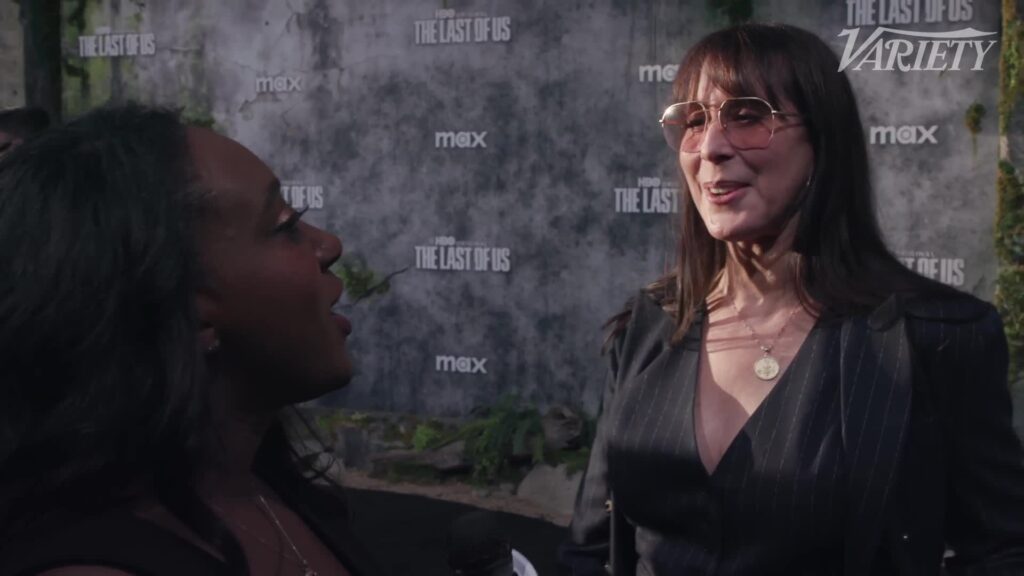
Cynthia Ann Summers and Ann Foley both became regular voices on the publicity circuit. Between 2023 and 2025, they gave detailed interviews to outlets like GQ, Awards Radar, The Art of Costume, Temple of Geek, CinemaBlend, InStyle, and LA Weekly. Many of those pieces center almost entirely on design choices: why Dina’s jacket breaks the timeline, how Jackson’s wardrobe is 95 percent thrift‑sourced, or what it takes to manage hundreds of fittings for a single hour of television.
Meanwhile, fan sites such as ShopYourTV now maintain episode‑by‑episode costume breakdowns, often listing brands and marking custom pieces as “Custom @ Ann Foley.” That label appears more and more frequently in Season 2, as the show leans further into bespoke garments.
The result is a feedback loop. The more detail the costume departments put in, the more audiences want to know.
What Happens Next for The Last of Us Wardrobe
As of January 2026, HBO’s two seasons of The Last of Us have already reshaped how fans talk about costumes in prestige television.
Summers’ Season 1 work demonstrated that contemporary, “invisible” clothing can still earn Emmy recognition and drive real‑world sales. Ann Foley’s Season 2 built on that template, using thrift stores, Y2K denim, and faction‑specific silhouettes to track character psychology and political fault lines.
In the process, Joel’s supposedly unremarkable workwear turned into a best‑selling $298 jacket, a runaway boot hunt, and countless cosplay guides. Ellie’s jeans and doodled sneakers turned into quiet case studies in how to age a character over five years without saying a word.
The apocalypse may be fictional. The impact in closets, on costume forums, and in awards lineups is very real.